
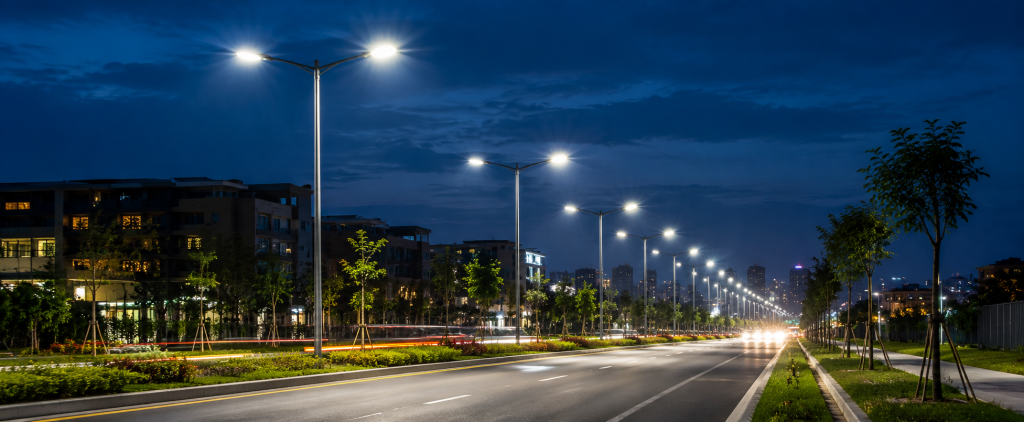
Streetlighting infrastructure plays a vital role in modern urban development, public safety, transportation efficiency, and overall community well-being. Beyond simply illuminating roads and public spaces at night, properly designed streetlighting systems contribute significantly to economic activity, environmental sustainability, security, and quality of life for residents and businesses alike.
As cities, communities, industrial estates, and commercial environments continue to expand, the demand for modern and efficient streetlighting infrastructure has become increasingly important. Poorly lit roads and public areas can contribute to traffic accidents, criminal activity, reduced visibility, and unsafe environments for pedestrians and motorists. Reliable streetlighting systems help create safer, more functional, and more accessible communities.
One of the most critical benefits of streetlighting infrastructure is improved road safety. Proper illumination enhances visibility for drivers, cyclists, and pedestrians, helping reduce accidents and improve traffic flow during nighttime hours. Well-lit roads also improve navigation and reduce risks associated with poor visibility in busy urban environments and transportation corridors.
Streetlighting also plays a major role in enhancing security and public confidence. Illuminated streets, walkways, parking areas, and public facilities help discourage criminal activity and create safer environments for residents, businesses, and visitors. Communities with reliable lighting infrastructure often experience improved public safety and greater nighttime economic activity.
Modern streetlighting systems have evolved significantly over the years with the introduction of energy-efficient LED technologies, solar-powered lighting systems, and smart lighting control solutions. Traditional streetlights often consume large amounts of electricity and require frequent maintenance. In contrast, modern LED and solar-powered systems offer significantly lower energy consumption, longer operational lifespan, reduced maintenance costs, and improved lighting performance.
Smart streetlighting technologies are also transforming how urban infrastructure is managed. Intelligent lighting systems equipped with sensors, remote monitoring capabilities, and automated control systems allow municipalities and organizations to optimize energy usage, detect faults quickly, monitor performance remotely, and improve operational efficiency.
Solar-powered streetlighting systems have become especially important in areas where access to stable grid electricity is limited or unreliable. These systems provide sustainable and independent lighting infrastructure that reduces operational costs while supporting environmental sustainability objectives. Solar streetlights are increasingly being deployed across highways, residential estates, industrial facilities, parks, and rural communities throughout Africa.
In addition to functionality and safety, modern streetlighting infrastructure also contributes to urban aesthetics and community development. Well-designed lighting systems enhance the visual appeal of roads, commercial districts, recreational spaces, and public institutions while creating more vibrant and attractive environments for economic and social activities.
Reliable streetlighting infrastructure is also essential for supporting smart city initiatives and future urban expansion. As cities become increasingly connected through digital technologies and intelligent infrastructure systems, lighting networks will continue to play a central role in integrated urban management, environmental monitoring, traffic optimization, and public infrastructure development.
At Broad Rail Limited, we remain committed to delivering innovative and reliable streetlighting solutions designed to meet the evolving infrastructure needs of modern communities and organizations. Our services cover planning, engineering, installation, maintenance, and modernization of public and private lighting infrastructure using advanced technologies that prioritize efficiency, durability, sustainability, and long-term performance.
As urbanization continues to accelerate across Africa and beyond, investment in modern streetlighting infrastructure will remain a critical component of safe, sustainable, and future-ready communities.